
Why everyone at the ticket machine is doing the same sum#
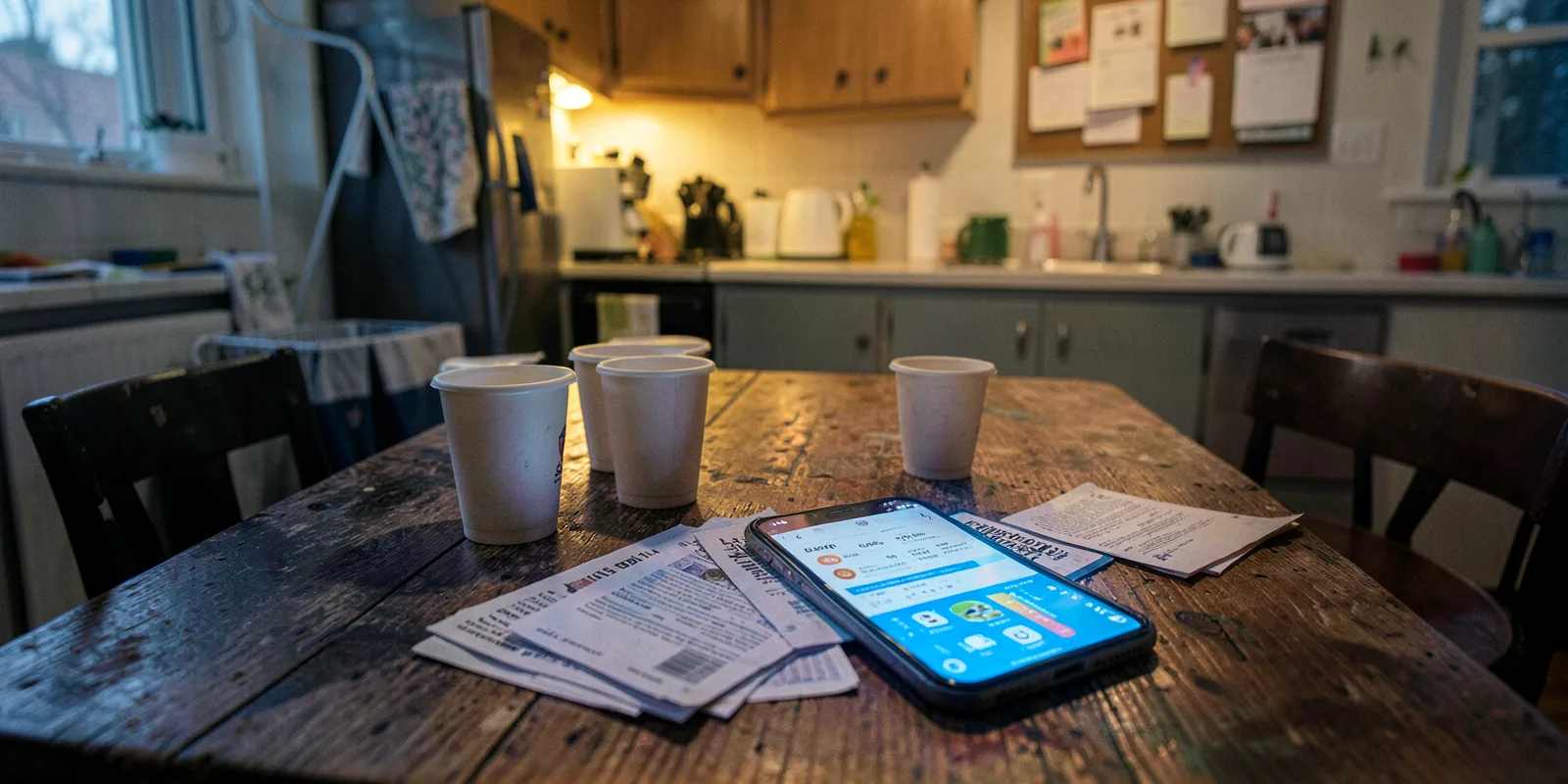
Stand at any station ticket machine in Freshers' Week and you'll see it: someone adding a Railcard to their basket, phone in hand, doing rough maths while the queue shuffles behind them. The freshers' fair stall made it sound like an automatic yes. A third off, for less than the price of a few takeaways.
Except "worth it" isn't a property of the card. It's a property of your commute. Bought by someone who takes one trip home a term, it's a bad purchase. Bought by someone doing a twice-weekly placement forty minutes up the line, it can pay for itself before October half-term. The only way to know which one you are is to run the numbers on your own journey, not the average one in the marketing.
That's what this piece is for: the method for working out which answer applies to you, the terms that catch people out, and the situations where something else beats a Railcard entirely.
The discount mechanic behind that orange card#
A Railcard isn't a discount code. It's a card, physical or digital, bought for a year or three, entitling you to a percentage off eligible train tickets for as many journeys as you like during that period. Railcard.co.uk, the scheme's official retailer, states that most cards give a one-third discount off standard adult fares, a rate that has anchored the scheme since the original Young Person's Railcard launched in the 1970s and has stayed stable even as ticket prices and card fees moved around it.
Two conditions sit underneath that headline figure, and both matter more to commuters than to occasional leisure travellers.
The first is the off-peak restriction. Not every ticket carries the discount at every time of day. National Rail's conditions of travel define off-peak windows that generally start mid-morning on weekdays, commonly from around 09:30 in cities and slightly earlier elsewhere, with full off-peak pricing all day at weekends and bank holidays. Before that cutoff you're often buying an anytime or peak ticket, and on several Railcards the discount either doesn't apply or is capped by the second condition.
That second condition is the minimum fare rule. Because a one-third discount on a very cheap short hop could push the price close to nothing, several Railcards, including the 16-25, 26-30 and Two Together, set a floor: if your discounted fare for an early weekday journey would fall below it, you pay the floor instead. The figure moves over time, so check Railcard.co.uk rather than trust a number printed here, but the principle exists to stop the discount being used for very short, very early commuter hops, which is exactly the kind of journey a lot of students make.
Together, they favour people whose journeys sit outside the earliest weekday slot, or are long enough that the minimum fare rarely bites.
Finding your own break-even point in about five minutes#
Here's the method, and you can run it on your own bank statement or ticket app history right now.
Step one: total your eligible spend. Look back over a few months of train travel and add up what you actually paid, or would pay, on ticket types that carry the discount. Get an honest annual figure, not a hopeful one.
Step two: apply your card's discount rate to that total (check the current rate on Railcard.co.uk, since it can vary by ticket type). That gives you an estimated annual saving.
Step three: compare the saving to the card price. Bigger, it pays off. Smaller, it doesn't, at least not yet.
MoneySavingExpert's 2026 guidance offers a published rule of thumb: you need to spend somewhere above £60 a year on eligible fares before a one-year card breaks even, or around £55 a year if you spread the cost across a three-year card. Treat that as a sense-check rather than gospel; it depends on which tickets you buy and at what discount, so confirm current prices on the official site before you buy.
The part people skip is being honest about journeys that don't count. A trip home you'd only take once the card makes it feel "free" isn't a saving, it's new spending. Base the sum on journeys you were already going to make.
Several cards, one age range each: which one is actually yours#
The scheme now runs to around nine variants, each aimed at a specific group rather than being one universal product, so the first question is eligibility, not price.
The 16-17 Saver covers exactly that bracket and, per Railcard.co.uk's terms, gives a steeper discount than the standard third. The 16-25 Railcard is the default for most undergraduates, and its terms extend it to mature students in full-time education regardless of age, something plenty of postgraduates don't realise applies to them. The 26-30 Railcard fills the next gap, issued as a digital-only card through the app rather than a physical one. The Two Together Railcard is registered to two named adults and only pays out when both travel together, useless solo but strong for a regular travel partner. The Family & Friends, Senior, Disabled Persons and Veterans Railcards serve the groups their names describe, with the Disabled Persons Railcard, per MoneySavingExpert's analysis, standing out because its discount can extend to an accompanying adult too.
Check eligibility on Railcard.co.uk before assuming you know which applies. Mature students are routinely eligible for the 16-25 card well past 25 but don't realise it, and end up overpaying for full fares instead.
Making the discount work harder: splitting and apps#
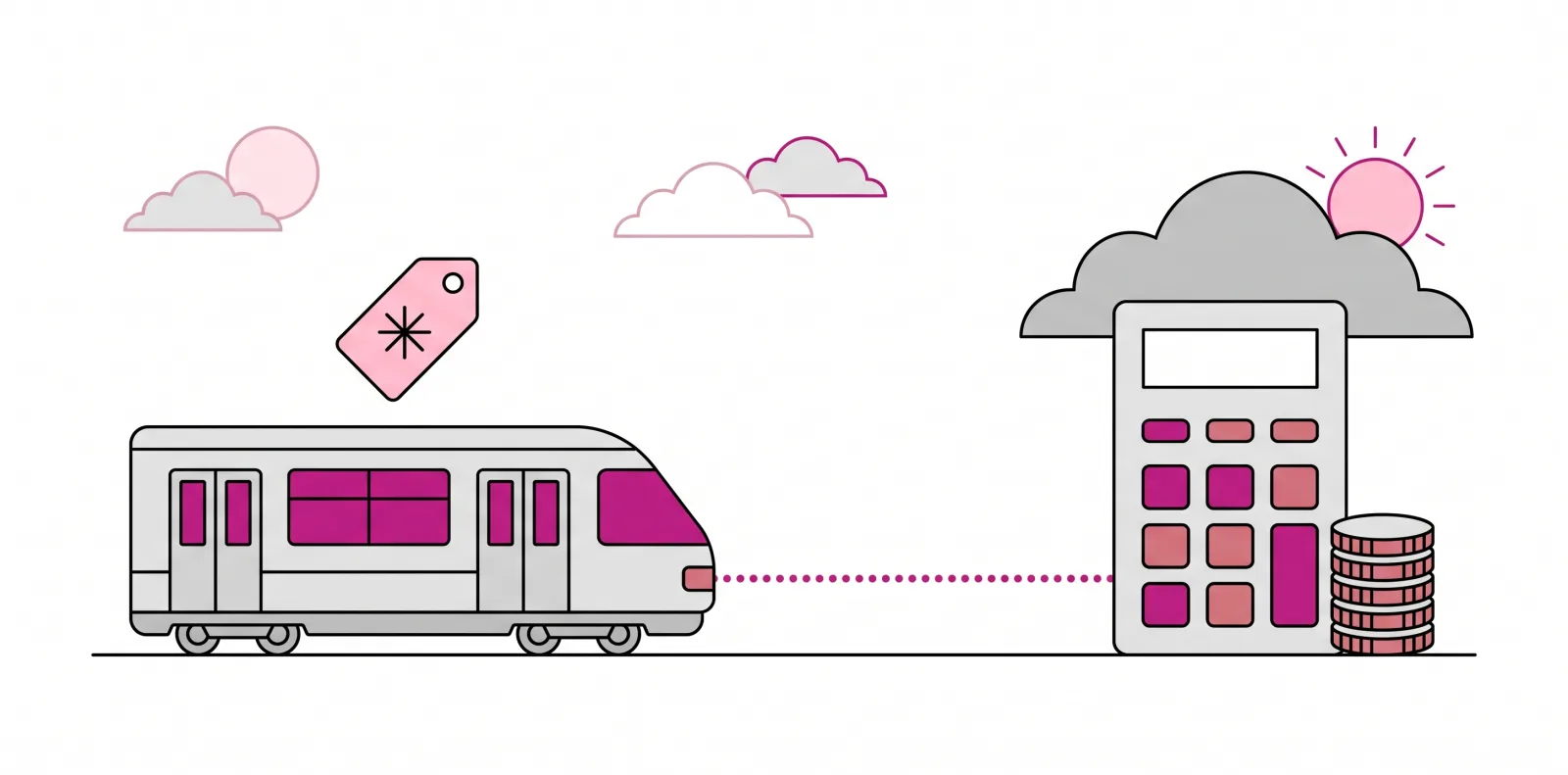
A Railcard doesn't have to work alone. Split ticketing, buying two or more tickets that together cover your journey more cheaply than one through ticket, combines with the Railcard discount on each leg, and some booking apps calculate these splits automatically. The two savings are separate mechanisms, so stacking them is legitimate, though National Rail's conditions of travel require each split to represent a real stopping point on your route.
The Railcard is also available as a digital card through the official app, easier to keep track of than a plastic one left in a drawer for the term. Some operator apps apply the discount automatically once it's linked to your booking account, cutting the odds of buying a full-price ticket by mistake. Worth checking too whether your operator or students' union runs a separate discount on top of the national scheme, since regional add-ons occasionally exist.
When a season ticket or flexi pass wins instead#
For a daily commute on the same route, most days of the week, a season ticket usually beats a Railcard-discounted pay-as-you-go fare, because season tickets are already discounted against the sum of individual daily fares, and Railcard discounts generally don't apply on top of them. As a rough guide from independent season ticket calculators, an annual season ticket saves around a fifth against buying the equivalent daily returns, though the exact figure depends on your route and is worth checking with National Rail's own calculator.
The more interesting case is the middle ground that describes a lot of student timetables: two or three campus days a week rather than five. There, a flexible season ticket, covering a set number of travel days within a rolling four-week window, often beats both a full season and pay-as-you-go with a Railcard, since you're not paying for days you never travel. Below roughly two days a week, ordinary off-peak returns, discounted where eligible, usually come out cheapest.
Work out your average days-per-week on the actual commute, not an idealised full-time one, and compare season, flexi and Railcard-discounted pay-as-you-go before assuming any one option automatically wins.
The small mistakes that quietly undo the saving#
Most of the value lost from a Railcard isn't from buying the wrong card. It's from habits that cancel out the discount you already paid for.
The most common is buying a peak or anytime ticket for an early weekday trip out of habit, when a later or off-peak-eligible service would have carried the full discount, or when the minimum fare quietly capped the saving without the traveller noticing at the till. Checking the departure against National Rail's published off-peak times takes under a minute and is worth doing before every early booking.
The second is forgetting to carry a plastic card, or having the app signed into the wrong device, when a conductor checks it. A digital Railcard tied to your usual booking account largely removes this risk.
The third is letting the card auto-renew, or lapse, without checking whether your circumstances have changed. Someone who graduates has no reason to keep paying for a card they'll barely use; someone starting a placement halfway through the year might now clear a break-even point they missed before.
The fourth, specific to the Two Together card, is booking without your travel companion present for the whole journey; the discount is void for that trip if you split up partway through, per the card's terms.
Quick answers before you buy#
Can I use my Railcard on the very first train of the day?#
Sometimes, but check first. Several Railcards apply a minimum fare or restrict anytime-ticket discounts during the early weekday window, so a later or off-peak-eligible service is more reliably discounted.
Does a Railcard also work on buses or coaches?#
No. It's a rail-specific scheme covering National Rail operators. Coach operators run entirely separate discount schemes, so check with them directly.
Is a digital Railcard as valid as a physical card?#
Yes. Railcard.co.uk issues digital cards through its official app as a full equivalent, and the 26-30 Railcard is digital-only.
Can two friends share one Railcard between them?#
No. Standard Railcards are registered to a named individual, or for the Two Together card, two named individuals, and are checked against photo ID. Sharing one between different people breaks the terms and can void the ticket.
What happens if I turn 26, or graduate, partway through my Railcard year?#
It generally stays valid for its full purchased term, since eligibility is checked at the point of purchase. You just can't renew into the same card type once you age out of its bracket.
Do Railcard discounts apply to advance tickets?#
Advance tickets are already discounted for booking ahead, and Railcard eligibility on them varies by ticket and operator, so confirm at the point of booking.
Is it worth buying a three-year Railcard as a fresher?#
If you're confident you'll still be commuting by train in three years, it works out cheaper per year than three separate purchases and shields you from the card's price rising meanwhile. If your plans are uncertain, a one-year card is the safer start.