The Corridor Goes Quiet at 2am and You're Still Awake#
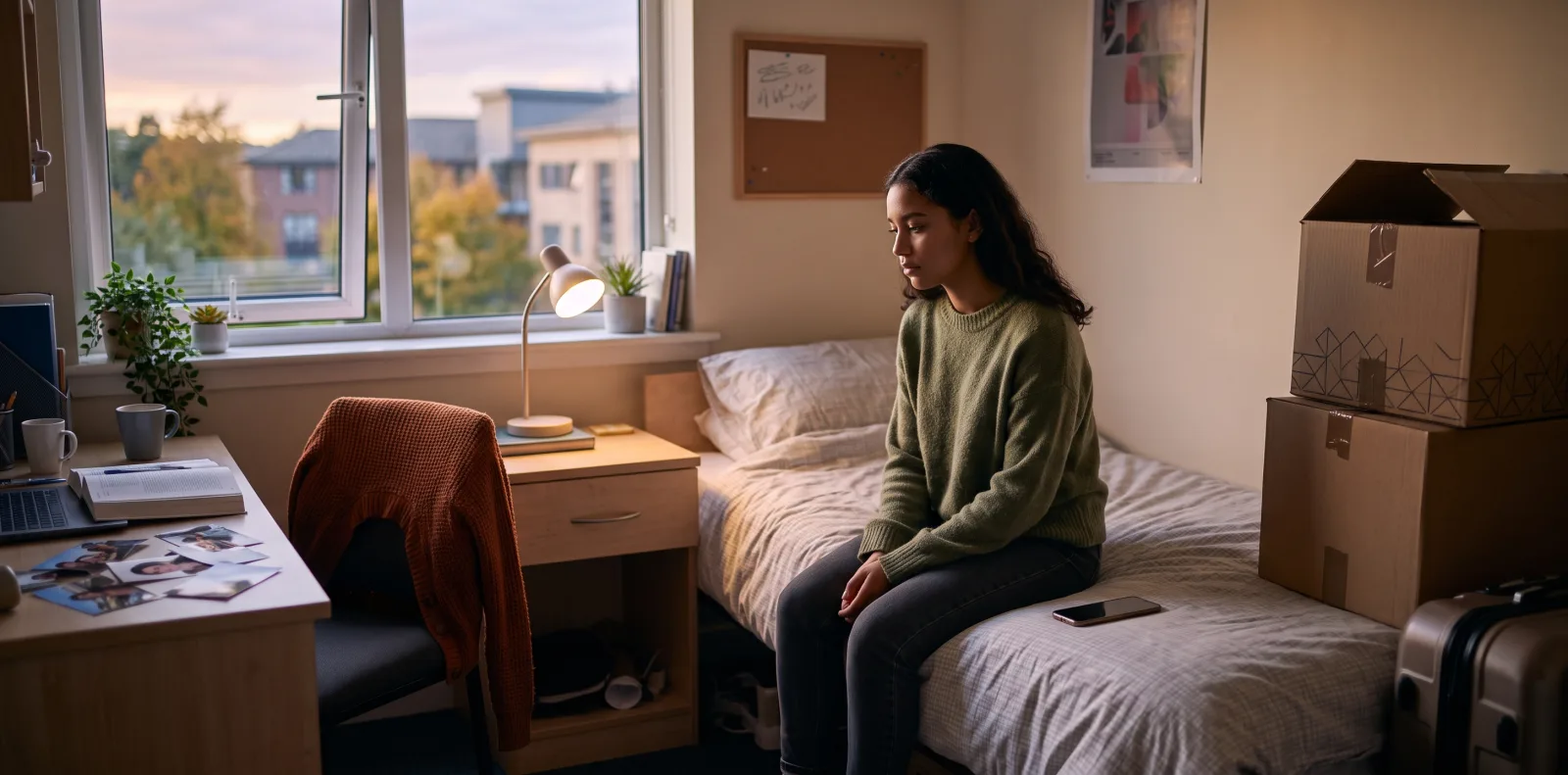
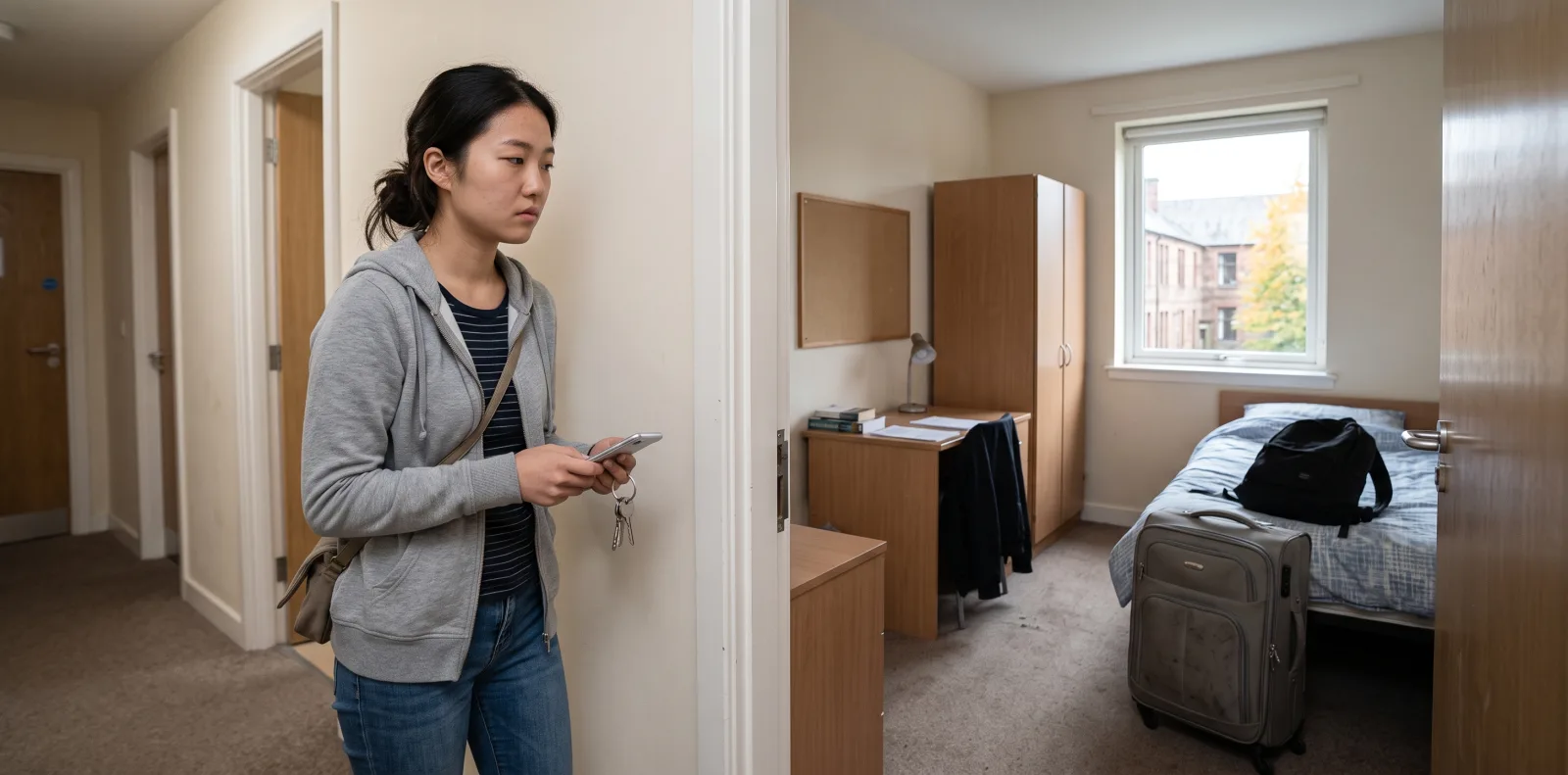
By the second night, your phone is a wall of photos: someone's flat doing shots in matching lanyards, a queue outside the students' union stretching round the block, a caption that says best week of my life already. You're lying on a mattress that still smells of plastic wrapping, you've spoken to roughly forty people whose names you can't recall, and you feel oddly flat. Not sad exactly. Just tired, and a bit unconvinced.
Nobody warns you that this is one of the most common freshers week experiences going. The version that gets photographed gets shared, and it isn't the average one. Welfare teams brace every September for students who arrive convinced something has gone wrong with them, when nothing has. Student Minds, the UK's student mental health charity, has found that more than half of students report a mental health difficulty at some point during their studies. Freshers week is where that gap opens widest.
This isn't an argument against enjoying freshers week. Plenty of people genuinely do, and that's fine too. It's a look at what tends to get left out of the prospectus version, so you walk in with realistic expectations rather than a highlight reel you're quietly failing to match.
What Freshers Week Actually Is, Structurally#
Strip away the branding and freshers week (welcome week at some universities) is an onboarding process wearing a party outfit. Underneath the club nights sits a fairly dull skeleton: enrolment, ID cards, timetable collection, GP registration, and a students' union fair where forty societies compete for your email address in one afternoon.
The social programme, the club nights, the pub crawls, the silent discos, exists partly because it helps people meet quickly, and partly because students' unions and nearby bars make a real chunk of their annual income from it. That commercial layer explains why the pressure to attend everything feels so manufactured: you're being marketed to during the exact week you're meeting flatmates, coursemates, and a new city inside about five days, with family and school friends suddenly a phone call away rather than a walk down the corridor. That's a lot of adjustment for one week, which is why it feels so loaded even though, structurally, it's mostly paperwork and pub quizzes.
Myths about the week travel faster than the more mundane reality, so here they are side by side.
| The myth | The more realistic picture |
|---|---|
| Everyone else is having the time of their life | Most students are performing confidence they don't fully feel; surveys of new students routinely find high rates of homesickness and low mood in the first days |
| Your flatmates become your best friends | Flat allocation is essentially random; many lasting friendships form later, through courses and societies |
| You have to go out every night to fit in | A majority of students say they feel pressure to drink, but a meaningful share drink mainly to fit in, or don't drink at all |
| Freshers week determines your whole university experience | Its link to overall first-year outcomes is weak; routine, attendance, and sleep in the following weeks matter more |
| Feeling overwhelmed means you're not cut out for university life | Social and sensory fatigue during a week this dense is a normal load response, not a personal failing |
Going Out Every Night Is Marketed as Standard. It Isn't Compulsory.#
If there's one piece of freshers week pressure talked about honestly the least, it's drinking. Survey work through NUS's Alcohol Impact programme has repeatedly found a large majority of students feel an expectation to get drunk at university, and a comparable share agree it's simply part of the culture. The same research finds a sizeable proportion of drinkers say they mainly do it to fit in, not because they want to, and a meaningful minority have either cut back or never started.
That detail matters more than the headline figure. If your peers are drinking mainly for social insurance rather than enjoyment, skipping a night, or three, isn't the deviant choice it feels like at 9pm when your flat WhatsApp fills with pre-drinks selfies. Most students' unions now run alcohol-free events during welcome week, and course societies run daytime socials and sports tasters with no alcohol involved at all.
None of this argues against going out. If loud bars and late nights are genuinely your thing, freshers week delivers them well. The point is narrower: attendance at every event isn't a requirement for a successful first year.
Not Clicking With Your Flat Straight Away Is Ordinary, Not a Red Flag#
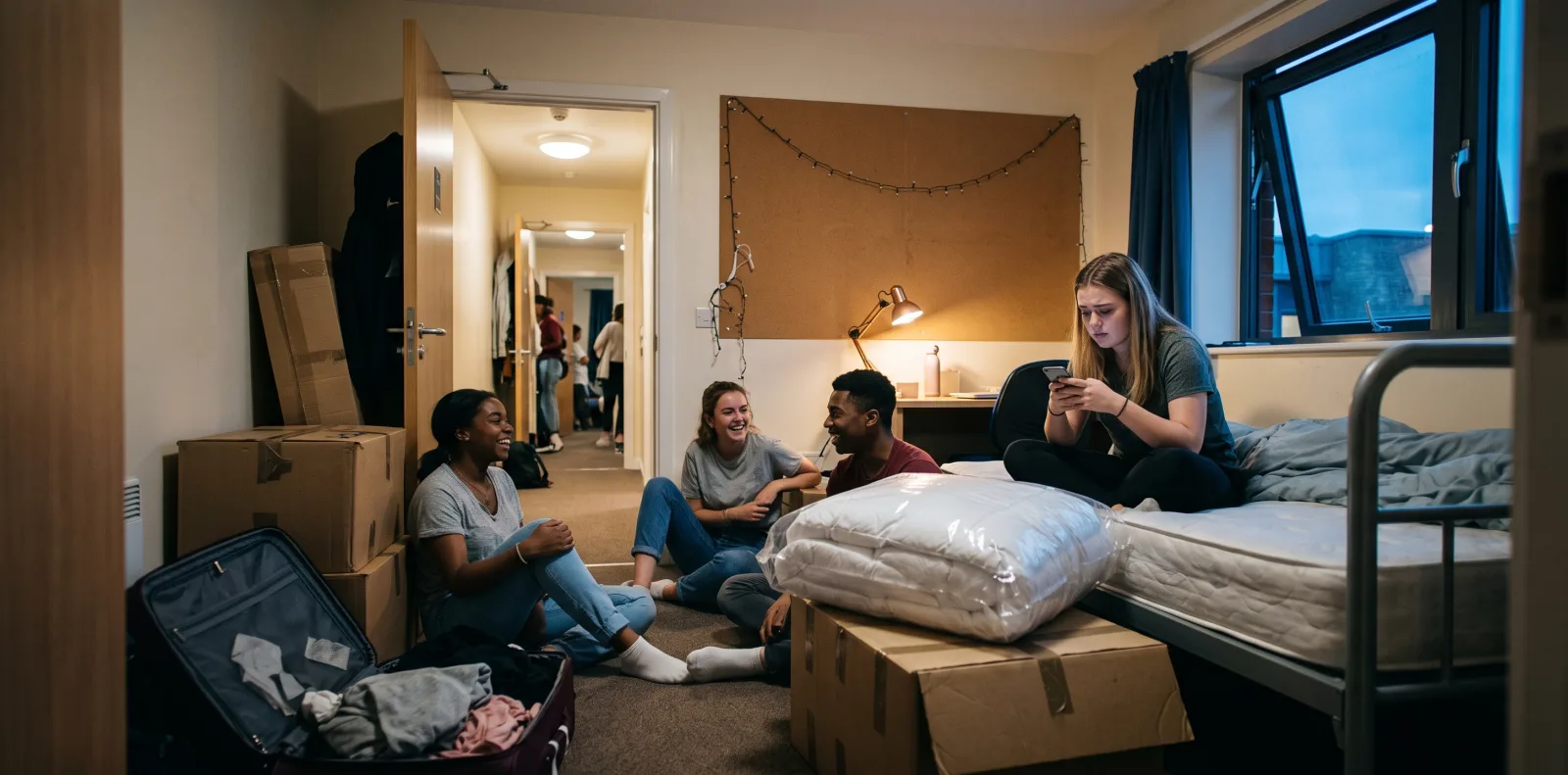
University marketing loves the idea that flatmates become your closest university friends. Sometimes they do. Often they don't, and that gap between expectation and reality can feel like a personal failure in the first fortnight, particularly if group chats sold you the idea that instant flat bonding was normal.
In practice, a flat is a random cluster thrown together by an accommodation algorithm, not a matchmaking service. You might share a kitchen with people whose sleep schedule, noise tolerance, and sense of humour have nothing in common with yours. Pastoral teams routinely note that flat friction is one of the most common reasons first-years contact welfare services early on, precisely because students assume it reflects badly on them rather than on the lottery of room allocation.
Coursemates and society members often become the friendships that last, forming later than freshers week, once shared routines have had time to work. If your flat is polite but not close, that's a typical outcome, not a warning sign about your ability to make friends.
The Week Is Built to Make You Spend, So Pace Yourself#
Freshers week sits at the exact point where your loan has just landed, your city is unfamiliar, and every bar and club promoter within walking distance is running a welcome offer aimed squarely at you. Financially, it's a near-perfect trap.
Save the Student's ongoing national money surveys consistently show maintenance loans falling short of typical monthly costs, which means money spent hard in week one is money you'll chase back later in term. UCAS's guidance to incoming students puts a realistic freshers night out in the tens of pounds once entry fees, drinks, and the taxi home are added up, a figure that multiplies fast across five or six nights.
A cheap protective habit: decide your freshers budget before you arrive, using cash or a separate card so you watch the number shrink in real time. Club promoters and bar chains aren't unusually predatory, they're simply good at their jobs during the one week a year when an entire city's worth of new spenders arrives at once.
Constant New People Is Genuinely Draining, and That's Not Introversion Failing#
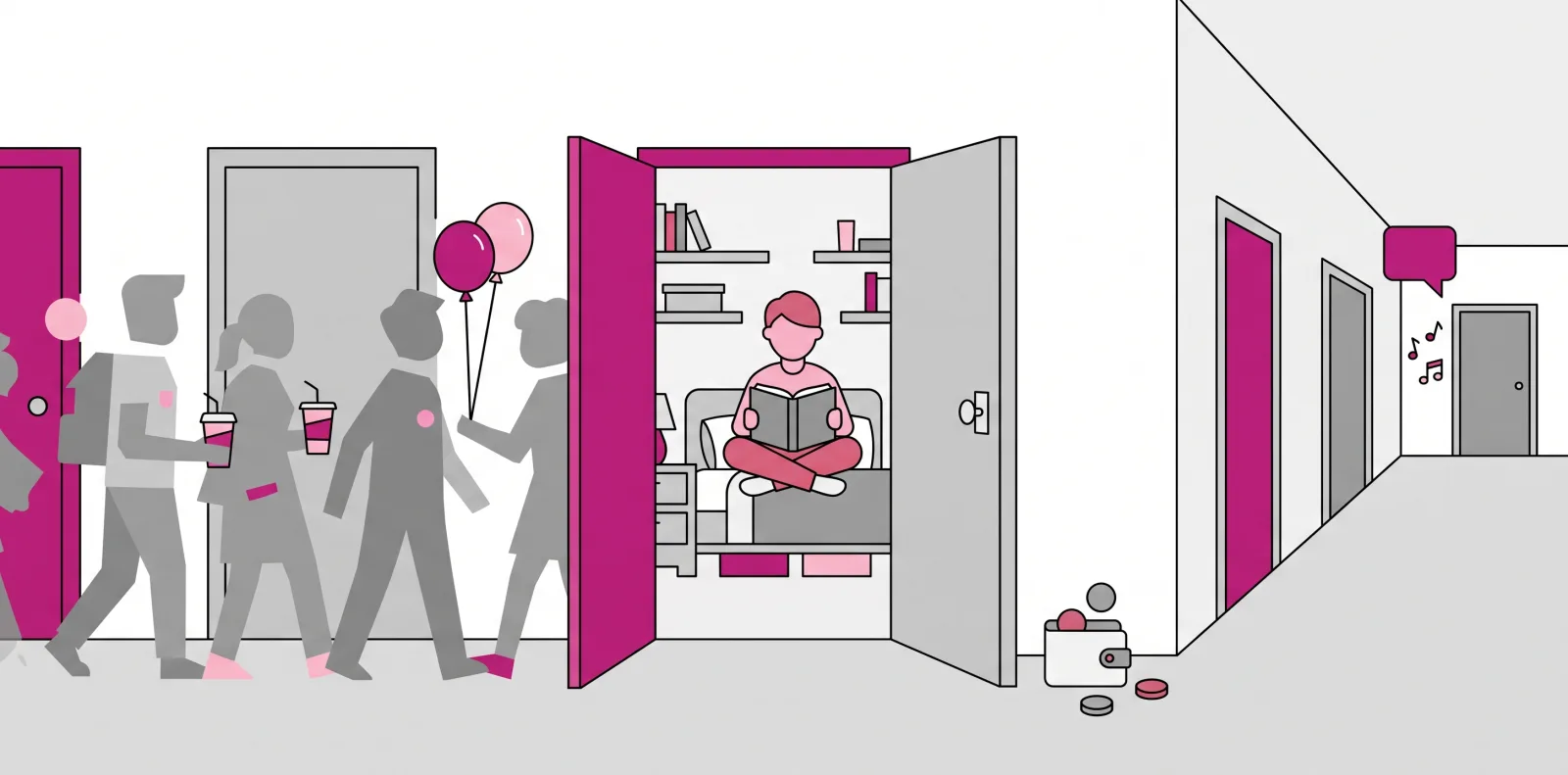
Even students who describe themselves as sociable often find the sheer density of new interactions during freshers week exhausting: introducing yourself and performing a slightly heightened friendliness dozens of times a day, often in loud rooms, with little of the quiet downtime that normally recharges you.
This is closer to sensory and social load than to shyness. Bright lights, noise, disrupted sleep, and an unfamiliar building stack on top of the social effort itself. Wellbeing services increasingly flag welcome week as worth planning around for autistic and neurodivergent students, but the fatigue is common well beyond that group.
Building in deliberate recovery time, an hour alone with headphones, a solo walk, an early night, isn't opting out. It's basic pacing, the same logic an athlete applies to a demanding training block. Students who protect a bit of quiet time most days tend to reach week two in noticeably better shape than those treating every waking hour as a networking opportunity.
What Actually Predicts a Good First Term Isn't the Parties#
If freshers week has a weak connection to how your first term goes, what does the connecting? University pastoral guidance points toward a shorter, less glamorous list: attending your first timetabled sessions rather than skipping them tired, joining one or two societies you actually show up to, and registering with a GP before you need one.
Academic engagement matters more than its reputation suggests. Students who attend early lectures, even sluggishly, tend to build the coursemate relationships and confidence that carry them through term, while those who write off the first fortnight as purely social often find week three harder than it needed to be. Freshers week ends. Term doesn't, and the habits you build early matter far more to how October feels than how many club nights you managed in September.
Freshers Week Questions Students Actually Ask#
Is it normal to cry or want to go home during freshers week?#
Yes. Universities prepare welfare teams for exactly this every September. Homesickness surveys of new UK students find it among the most common first-days experiences, and for most it eases within two to three weeks as routine builds.
What if I don't drink at all?#
You're far from alone. Most students' unions now run alcohol-free events during welcome week, and course socials generally involve little or no drinking. Skipping the bar doesn't close off making friends.
How much should I actually budget for freshers week?#
There's no single right figure, but a fixed, separate pot beats an open tab given how fast costs stack across several nights. National money surveys show loans consistently falling short of monthly costs, so protecting some of week one's budget is worth the discipline.
My flatmates aren't becoming close friends. Have I done something wrong?#
Almost certainly not. Flat allocation is mostly a lottery, and pastoral teams see flat mismatch as one of the most ordinary early first-year experiences. Friendships built through your course often prove more durable anyway.
How do I cope with feeling overwhelmed by constant new people?#
Build in deliberate downtime each day rather than treating every hour as a socialising opportunity. That's ordinary pacing, not a sign you're struggling socially, and it leaves you in better shape once term properly begins.
When should I actually worry, rather than just ride it out?#
If low mood or homesickness persists well beyond the first few weeks, disrupts eating, sleep, or attendance, or comes with thoughts of self-harm, contact your wellbeing service or a GP rather than waiting it out. Every UK university runs confidential support for exactly this transition.
Does a rough freshers week mean a rough first year?#
No. The link between the two is weak at best. Attendance, one or two steady activities, sleep, and routine in the following weeks carry far more weight than the first seven days.